A Guide To Yacht Exhaust Systems And Mufflers
When it comes to yacht performance, understanding the marine exhaust system is crucial. Yacht exhaust systems play a vital role in engine efficiency, noise control, and overall vessel safety.
This installation guide explores their importance and the various types available, such as wet, dry, turbocharged, and water-injected exhaust systems. It also discusses mufflers, their purpose, and different types used in yachts, like straight-through and chambered mufflers. Dive in to ensure your vessel runs smoothly and quietly on the water.
What Are Yacht Exhaust Systems?
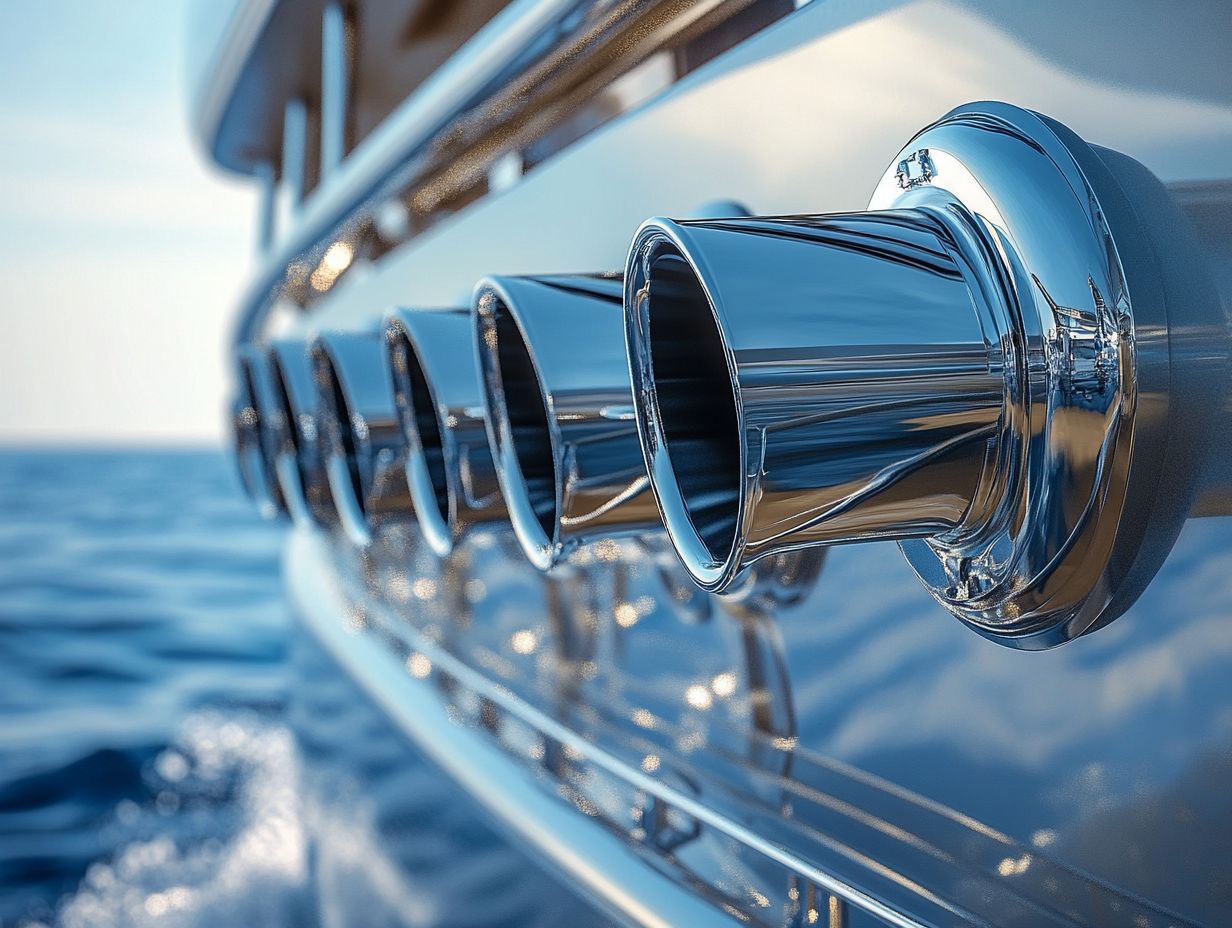
Yacht exhaust systems are complex systems designed to manage exhaust gases produced by diesel engines on marine vessels. They ensure both efficient operation and compliance with safety regulations. Components often include anti-siphon valves and custom risers to prevent water entry.
These systems consist of wet exhaust, exhaust piping, and riser construction. They are essential for maintaining performance and reliability.
Designed to meet the requirements of engine manufacturers like Cummins, John Deere, Detroit, and Yanmar, these systems consider exhaust size and pressure for optimal functionality.
Why Are Yacht Exhaust Systems Important?
Yacht exhaust systems are vital for safe and reliable operation, particularly for diesel-powered vessels. They effectively manage exhaust gases and minimize performance issues, safeguarding engine integrity and crew safety.
These systems also optimize fuel efficiency and ensure compliance with environmental regulations. Advanced technologies in yacht exhaust systems significantly reduce harmful emissions, a critical consideration in today’s marine industry.
Poor design or maintenance can lead to serious issues, such as increased pollution and regulatory fines. Inefficiencies may cause overheating and engine damage, jeopardizing operational capacity and placing the crew at risk while at sea. Regular maintenance is essential for these systems.
What Are the Different Types of Yacht Exhaust Systems?
Yacht exhaust systems come in several types, each designed for specific operational needs. These include:
- Marine exhaust systems
- Wet exhaust systems
- Dry exhaust systems
- Turbocharged exhaust systems
- Water-injected exhaust systems
A thorough understanding of these systems is essential for boat owners and marine engineers. Each type has unique characteristics and applications that significantly influence overall engine performance, safety, and compliance with OEM specifications.
1. Wet Exhaust Systems
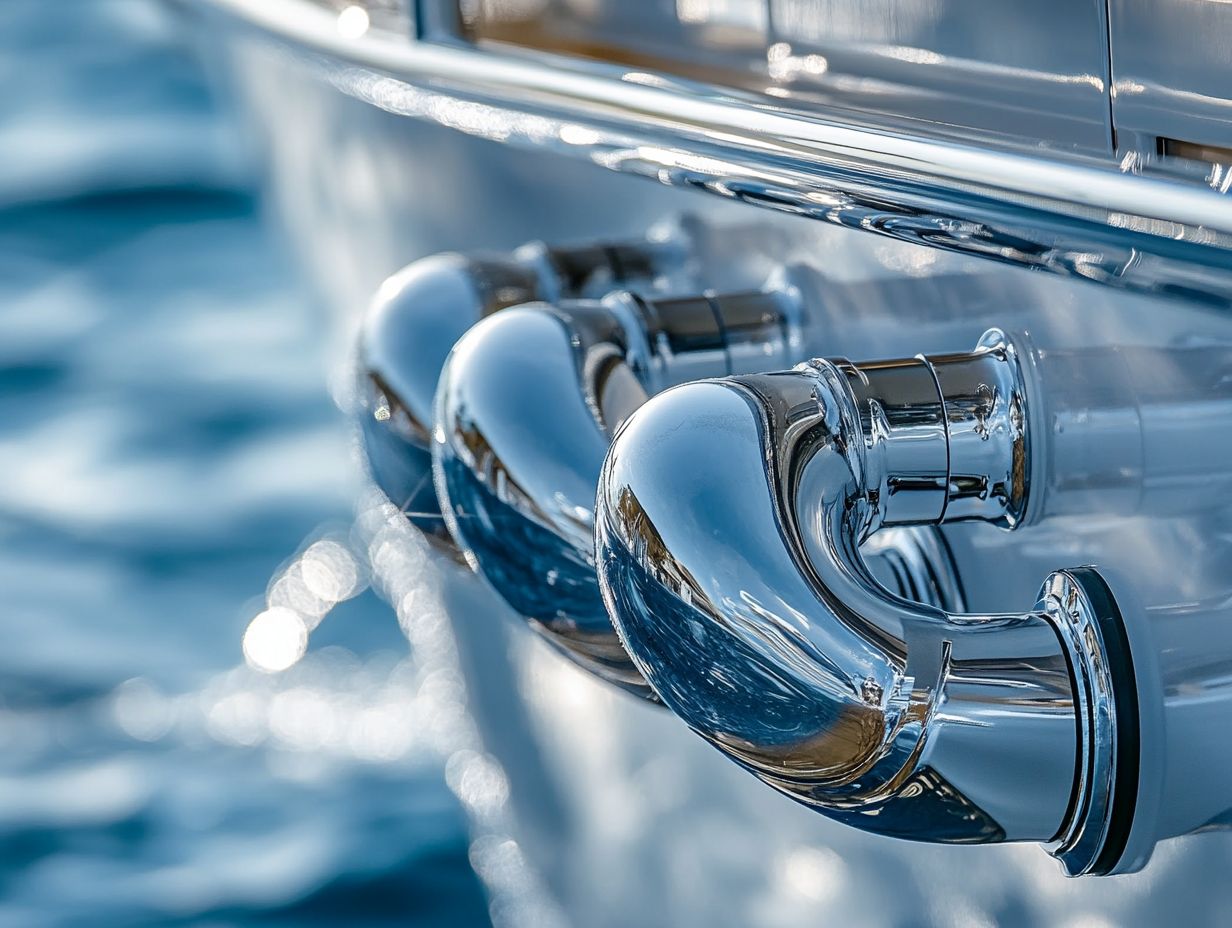
Wet exhaust systems are commonly used in marine applications. They utilize water to cool and dilute exhaust gases, effectively reducing emissions and noise levels. They are ideal for diverse marine environments and diesel engines.
These systems enhance operational efficiency and contribute to environmental sustainability by minimizing harmful pollutants. They typically include components like water injectors, exhaust risers, and mufflers, designed to manage heat and sound effectively.
While the advantages are significant, such as reduced maintenance costs and extended engine life, potential issues like seawater corrosion and water backup in the exhaust system should be considered. Understanding these factors is essential for optimizing performance and ensuring the longevity of marine operations.
2. Dry Exhaust Systems
Dry exhaust systems function without water intermixed with exhaust gases. This streamlined design enhances exhaust flow and performance for specific marine applications.
However, these systems may pose challenges related to noise and emissions. Many prefer this system for its benefits in high-performance vessels where efficiency and speed are crucial.
In contrast to wet exhaust systems, which use water to cool exhaust gases, dry exhaust systems offer a lightweight construction. While the potential for performance improvements can be substantial, trade-offs must be considered, such as elevated noise levels during operation.
Regular maintenance is necessary to prevent wear and tear on components. The decision to select a dry exhaust system should be based on specific operational requirements and environmental regulations governing its feasibility.
3. Turbocharged Exhaust Systems
Turbocharged exhaust systems significantly enhance diesel engine performance by utilizing turbochargers to increase airflow. This improvement boosts both power and efficiency.
Effective management of pressure in the exhaust system is essential. Excessive pressure can obstruct exhaust flow, leading to decreased power delivery and possible engine damage.
By optimizing turbocharger design and integrating high-performance marine exhaust systems, technicians can ensure that diesel engines function efficiently across varying loads. Specially designed exhaust manifolds facilitate optimal gas flow, enhancing performance while minimizing lag.
These systems improve acceleration and contribute to better fuel economy. They are invaluable for both land and marine applications where power and reliability are critical.
4. Water Injected Exhaust Systems
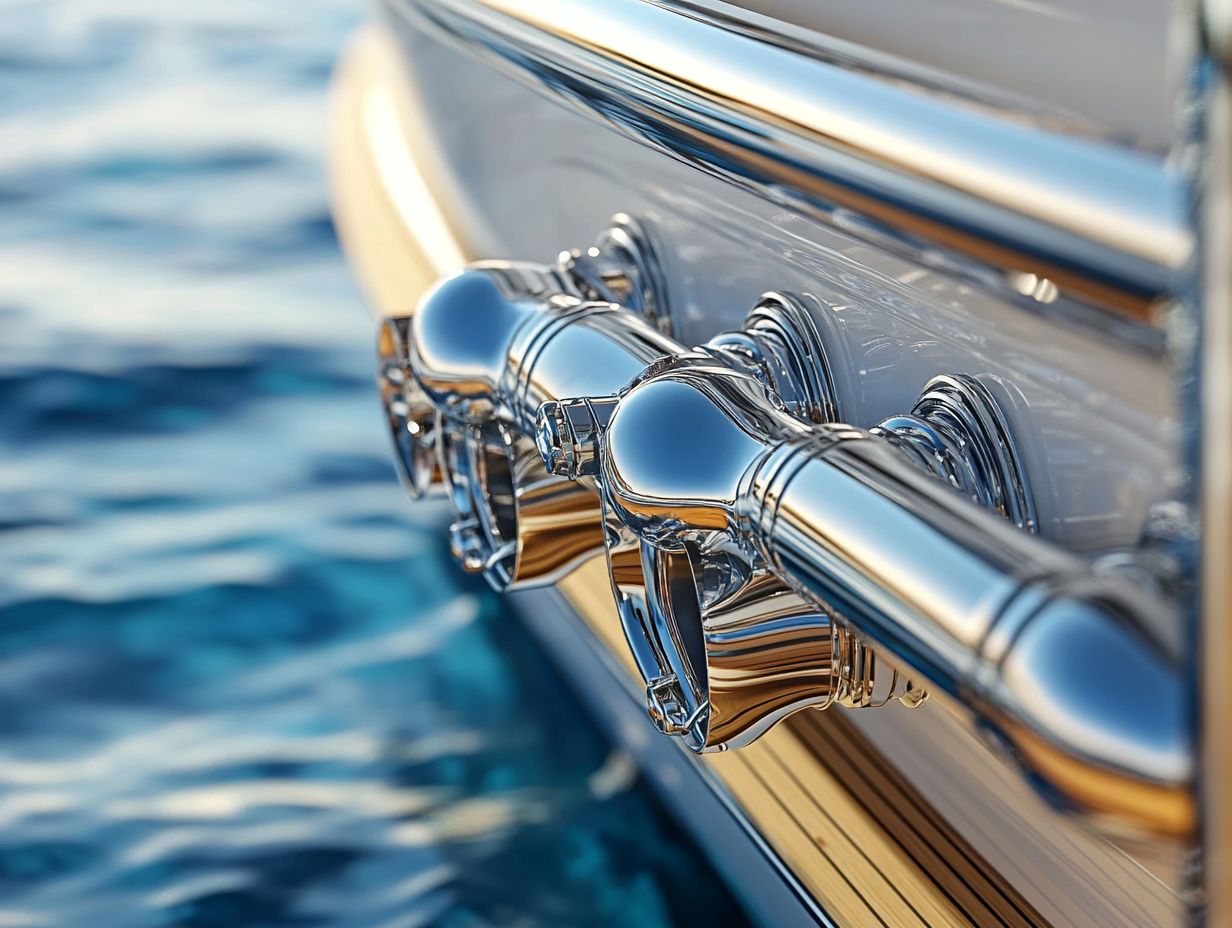
Water-injected exhaust systems introduce water into the exhaust stream, achieving lower temperatures and reduced emissions. This innovative solution is particularly well-suited for the challenging conditions often found in engine rooms.
By combining water and exhaust gases, these systems alleviate thermal loads on engine components, enhancing both durability and performance. Integrating this technology in marine applications helps comply with regulatory standards for emissions.
These systems are effective across various marine vessels, including commercial ships and luxury yachts. Their intricate design facilitates optimized combustion while minimizing heat-related damage.
What Are Mufflers and Why Are They Used in Yacht Exhaust Systems?
Mufflers are critical components of yacht exhaust systems, specifically engineered to reduce the noise generated by diesel engines. This reduction enhances the comfort and overall experience for individuals onboard.
Beyond noise reduction, mufflers play a crucial role in the overall efficiency of the marine engine. By utilizing designs like straight-through or chambered configurations, mufflers effectively dissipate sound waves and vibrations, contributing to a more tranquil environment on the water.
A well-designed muffler facilitates the smooth expulsion of exhaust gases, positively influencing fuel efficiency and overall engine output. The selection of materials and strategic placement within the exhaust system are essential considerations that significantly affect durability and performance, benefiting both yacht owners and crew members.
What Are the Different Types of Mufflers Used in Yacht Exhaust Systems?
Several types of mufflers are utilized in yacht exhaust systems, including straight-through mufflers, baffle mufflers, chambered mufflers, and turbo mufflers. Each type offers unique noise reduction properties and performance characteristics.
1. Straight Through Mufflers
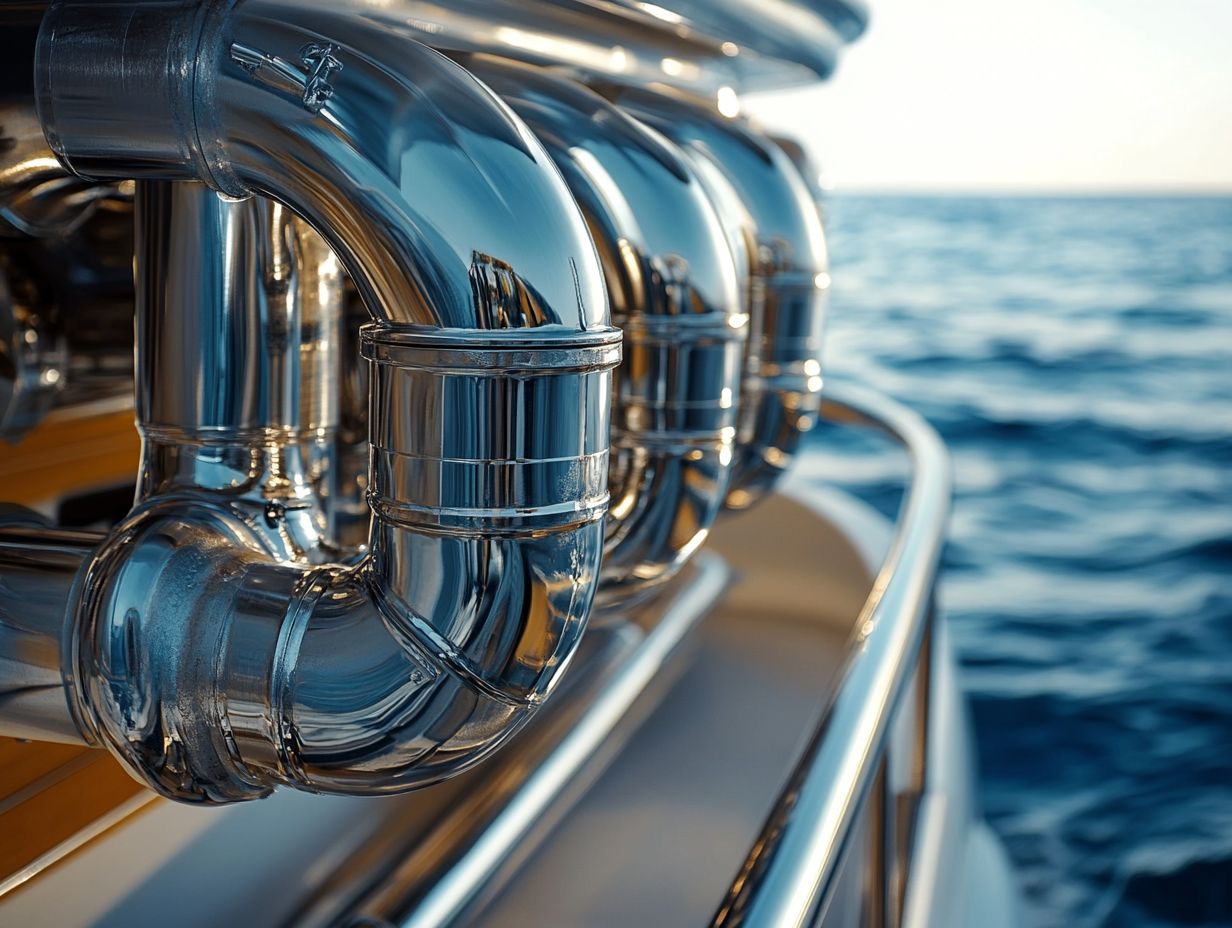
Straight-through mufflers are made to reduce back pressure and maximize exhaust flow. Experience unmatched power and efficiency with this type of muffler, especially in performance-oriented applications.
- Minimizes back pressure
- Maximizes exhaust flow
- Suitable for performance applications
- Advantageous in marine environments
This design enhances efficient propulsion, engine performance, and exhaust system optimization for vessels equipped with diesel engines like Cummins or Yanmar. Keep in mind that the aggressive sound profile of straight-through mufflers may not fit all applications, particularly where stringent noise regulations and exhaust back pressure are concerns.
Compared to chambered or glass-pack variants, straight-through mufflers typically offer superior performance and reduced restriction. However, heightened noise levels could affect onboard comfort and compliance with maritime noise regulations. A thorough understanding of a marine vessel’s specific engine requirements and exhaust design is essential when selecting the appropriate muffler type for safe operation and reliable engine performance.
2. Baffle Mufflers
Baffle mufflers utilize internal baffles to disrupt exhaust gas flow, providing effective noise control in yacht exhaust systems. Keep in mind that baffle mufflers can create back pressure, affecting exhaust flow and potentially impacting performance.
The baffles create turbulent pathways to dissipate sound waves, making them popular among yacht owners seeking a quieter cruising experience. By redirecting the exhaust flow, baffle mufflers help soften engine noise while maintaining adequate power output, particularly in diesel engine configurations.
While these mufflers excel at minimizing auditory disturbances, the additional back pressure they generate may slightly impede overall engine efficiency and throttle response. Yacht enthusiasts often weigh the benefits of a quieter voyage against the potential for reduced performance, particularly in high-performance boats, when choosing the right muffler for their vessel.
3. Chambered Mufflers
Chambered mufflers are designed with compartments that dissipate sound waves, providing effective noise reduction while allowing adequate exhaust flow and maintaining performance levels. They are suitable for both diesel engines and fiberglass vessels.
These designs reflect sound waves within the chambers, effectively canceling them before exiting the system. This unique methodology enhances overall engine performance by reducing back pressure, a key factor for marine engineering success.
Enjoy a tranquil environment while harnessing the power for smooth navigation. Chambered mufflers are built for durability and corrosion resistance, crucial for marine applications, ensuring they withstand harsh conditions while maintaining optimal performance, especially in wet exhaust scenarios.
They balance aesthetic appeal and functionality in boat design, making them a favorite among yacht enthusiasts.
4. Turbo Mufflers
Turbo mufflers are designed for turbocharged engines. They control noise effectively while minimizing back pressure. This makes them an ideal choice for high-performance yacht exhaust systems, especially those utilizing 400 HP diesel engines.
These specialized components incorporate a flow-oriented design that optimizes the movement of exhaust gases, ensuring that engines operate efficiently while reducing unwanted sound. By minimizing turbulence and enhancing exhaust flow, turbo mufflers significantly improve overall engine performance and longevity, particularly vital for original equipment manufacturer (OEM) configurations.
These components resist high temperatures and corrosion, making them reliable for marine applications.
- Effective noise control
- Minimized back pressure
- Optimized exhaust flow
- Enhanced engine performance
- Increased durability
When installed correctly, these mufflers ensure smoother and quieter operation. They also improve turbo spooling for quicker throttle response, enhancing your experience on the water, especially in vessels needing a custom riser for exhaust piping.
Summary of Key Points
Understanding yacht exhaust systems and mufflers is essential for ensuring optimal performance and safety. Key takeaways include:
- The importance of regular maintenance for yacht exhaust systems.
- Different types of exhaust systems including wet, dry, turbocharged, and water-injected.
- The role of mufflers in noise reduction and efficiency.
- Various muffler types with unique properties, such as straight-through, baffle, chambered, and turbo mufflers.


