The Different Types Of Yacht Fuel Systems
Navigating the waters of yacht ownership involves understanding essential components, including the intricate yacht fuel system and its reliance on an efficient engine fuel supply.
With various types available—ranging from diesel and gasoline to innovative hybrid and electric systems—each fuel system comes with its own set of workings, benefits, and drawbacks, often involving elements like marine gas oil, red diesel, and white diesel.
This guide explores the intricacies of yacht fuel systems, from diesel engines to electric propulsion, helping you make decisions about which type best suits your needs.
It also covers maintenance and safety considerations, such as managing vibration problems and ensuring the use of fire-resistant hoses, to ensure smooth sailing for years to come.
Key Takeaways:
- Yachts can have different fuel systems including diesel, gasoline, hybrid, and electric.
- Each fuel system has its own benefits and drawbacks, and choosing the right one depends on your specific needs.
- Regular maintenance, fuel quality, and safety precautions, including addressing potential pollution and ensuring clean fuel flow, are important considerations for all types of yacht fuel systems.
What is a Yacht Fuel System?

A yacht fuel system is a complex network designed to store and deliver the necessary fuel, which can range from marine gas oil and red diesel to white diesel, for powering the diesel engine of a yacht, often involving copper pipework and flexible mounts. This system is critical not only for the operation of commercial vessels but also for recreational yachting, ensuring that the fuel is clean and free from contaminants. The components involved, such as extra filters, flexible pipework, and hydraulic types, work together to manage the fuel flow, while addressing potential issues like vibration problems and ensuring safety with fire-resistant hoses manufactured to standards like BS EN 853 and ISO 7840. Understanding the intricacies of a yacht fuel system is essential for any yacht owner or operator.
What are the Types of Yacht Fuel Systems?
Yacht fuel systems can be categorized into several types, including diesel fuel systems, gasoline fuel systems, hybrid fuel systems, and electric fuel systems, each designed for specific operational needs and fuel types. Understanding these classifications is crucial for yacht owners and operators to select the most suitable option for their vessels.
Diesel Fuel System
The diesel fuel system is a predominant choice for yachts, utilizing various types of fuel such as marine gas oil, red diesel, and white diesel to power the diesel engine effectively, especially in commercial vessels. This system is renowned for its efficiency and reliability in both recreational and commercial vessels.
Delving deeper into these components reveals how essential fuel filters are, ensuring impurities do not compromise engine performance. Each type of diesel varies in formulation, impacting fuel quality and engine compatibility. Regular maintenance is vital; this includes checking:
- fuel filter cleanliness
- monitoring fuel levels
- ensuring proper fuel flow
to prevent operational issues. One of the standout benefits of a diesel system is its enhanced fuel efficiency, which significantly reduces operational costs over time, making it a clever choice for yacht owners looking to maximize their investment while enjoying the sea.
Gasoline Fuel System
A gasoline fuel system is another option for yacht propulsion, utilizing gasoline as the engine fuel, which is typically stored in a dedicated fuel tank and filtered through specific fuel filters to ensure clean fuel delivery.
This method of propulsion is favored by many recreational boaters for its lightweight design and ability to provide quick acceleration, often used in boats with copper pipework for efficient fuel delivery. Gasoline engines are generally simpler and lighter than their diesel counterparts, allowing for a more agile and responsive sailing experience, with engine manufacturers emphasizing clean fuel systems.
Various types of yachts, particularly smaller motorboats and sport fishing vessels, commonly rely on this system given its efficiency in high-speed scenarios. It should be noted that there are safety considerations to take into account, as gasoline is more volatile than diesel. Potential fire hazards exist, necessitating robust safety measures, such as appropriate tank placement and spark-proof fittings. Regular maintenance of the fuel system is essential to prevent any fuel leaks or contamination that could lead to serious accidents.
- Advantages of gasoline systems:
- Quicker acceleration and higher speeds.
- Lighter engine design, enhancing performance.
- Disadvantages of gasoline systems:
- Higher flammability risks.
- Potentially shorter lifespan and fuel efficiency compared to diesel systems.
Hybrid Fuel System
The hybrid fuel system combines both a diesel engine and an electric fuel system, offering enhanced fuel efficiency and reduced emissions, making it an appealing choice for eco-conscious yacht owners, as highlighted in publications like Yachting Monthly.
This innovative approach allows yacht enthusiasts to enjoy the power and reliability of traditional diesel engines while also benefiting from the quiet, smooth operation of electric motors, minimizing environmental impact.
By utilizing both technologies, the hybrid fuel system can optimize performance depending on the conditions, whether in calm waters or during heavy seas.
- Fuel Efficiency: With the ability to switch between power sources, these systems can significantly improve fuel consumption.
- Environmental Impact: Operating in electric mode reduces harmful emissions, bolstering the commitment to a greener planet.
- Integration: The seamless combination of diesel and electric components not only enhances performance but also provides yacht owners with greater flexibility in their navigational activities.
As such, hybrid fuel systems stand at the forefront of modern maritime technology, paving the way for sustainable sailing adventures.
Electric Fuel System

Electric fuel systems are gaining popularity in yachting due to advancements in battery technology and a growing emphasis on eco-friendly solutions, allowing yachts to operate with minimal environmental impact, a trend discussed in magazines like Magazines Direct.
This shift towards electric propulsion is largely driven by the increasing availability of high-capacity lithium-ion batteries, which offer impressive energy density and extended lifespans, often discussed in communities on Facebook, Twitter, and Instagram.
Various charging methods have emerged, including shore power connections, solar panels, and even wind generators, making it convenient for yachts to maintain their energy reserves while at sea or docked.
- These systems not only reduce reliance on fossil fuels but also contribute to quieter and smoother sailing experiences.
- Sailors are becoming more aware of their carbon footprint, leading to a surge in eco-friendly practices within the yachting community.
The benefits of electric propulsion extend beyond sustainability, as they provide lower operating costs and reduced maintenance requirements compared to traditional engines, making them a compelling choice for modern yachts.
How Does Each Type of Yacht Fuel System Work?
Each type of yacht fuel system operates through distinct mechanisms, from the diesel engine’s reliance on various fuels like marine gas oil and red diesel to the gasoline fuel system’s dependence on fuel tanks and filters, and the innovative integration of hybrid and electric fuel systems for modern yachts. Understanding these operational processes is vital for effective yacht maintenance and performance optimization.
Diesel Fuel System
In a diesel fuel system, the fuel tank stores marine gas oil, red diesel, or white diesel, which is then filtered through fuel filters to ensure clean fuel reaches the diesel engine for optimal performance.
The journey of diesel fuel from the tank to the engine is a meticulously engineered process, critical for system efficiency. After being drawn from the tank, the diesel fuel passes through various filters designed to eliminate impurities, ensuring that only clear, contaminant-free fuel makes its way to the engine. This filtration process is not merely a precaution; it is a vital step that directly impacts the longevity and performance of the diesel engine.
- Regularly inspecting and replacing fuel filters can prevent clogging, which in turn minimizes engine wear.
- Maintaining the fuel tank in good condition helps to avoid corrosion and sediment build-up.
- Periodic checks on the entire fuel delivery system allow for early detection of leaks or blockages.
Implementing these maintenance practices helps ensure that the fuel system operates at peak efficiency, enabling reliable engine performance.
Gasoline Fuel System
A gasoline fuel system operates by storing gasoline in a dedicated fuel tank, where it is drawn into the engine fuel system and passed through fuel filters to guarantee clean fuel delivery.
Once the gasoline is stored, it undergoes a series of processes to ensure that it reaches the engine efficiently. The fuel pump, typically located within the tank, plays a crucial role by pushing the fuel through the fuel lines towards the engine.
- The first stage involves the fuel filter, which catches any impurities or debris that could disrupt engine performance.
- As the fuel continues its journey, it reaches the fuel injectors, where precise amounts are atomized and delivered into the combustion chamber.
Maintaining clean fuel filters, including extra filters, is paramount; clogged filters can lead to decreased engine efficiency, rough idling, and even engine failure. Therefore, regular checks and replacements are recommended to ensure optimal performance and longevity of the gasoline system.
Hybrid Fuel System
The hybrid fuel system operates by integrating a diesel engine with an electric fuel system, allowing for optimal performance under varying conditions, thus enhancing fuel efficiency and minimizing emissions.
This innovative setup not only enables seamless transitions between the two power sources but also optimizes yacht performance in multiple scenarios. The mechanics behind this process involve sophisticated control systems that intelligently monitor load demands and environmental conditions, adhering to standards like BS EN 853 and ISO 7840.
When cruising at lower speeds, it often switches to the electric system, ensuring quiet operation and reduced fuel consumption. Conversely, during high-demand situations such as rough waters or heavy winds, the diesel engine kicks in to deliver added power and stability. This flexibility offers several advantages:
- Enhanced fuel efficiency allows for longer voyages without the need for frequent refueling.
- Lower emissions help meet environmental regulations, preserving marine ecosystems.
- Improved overall performance, ensuring a smoother and more enjoyable sailing experience.
Electric Fuel System
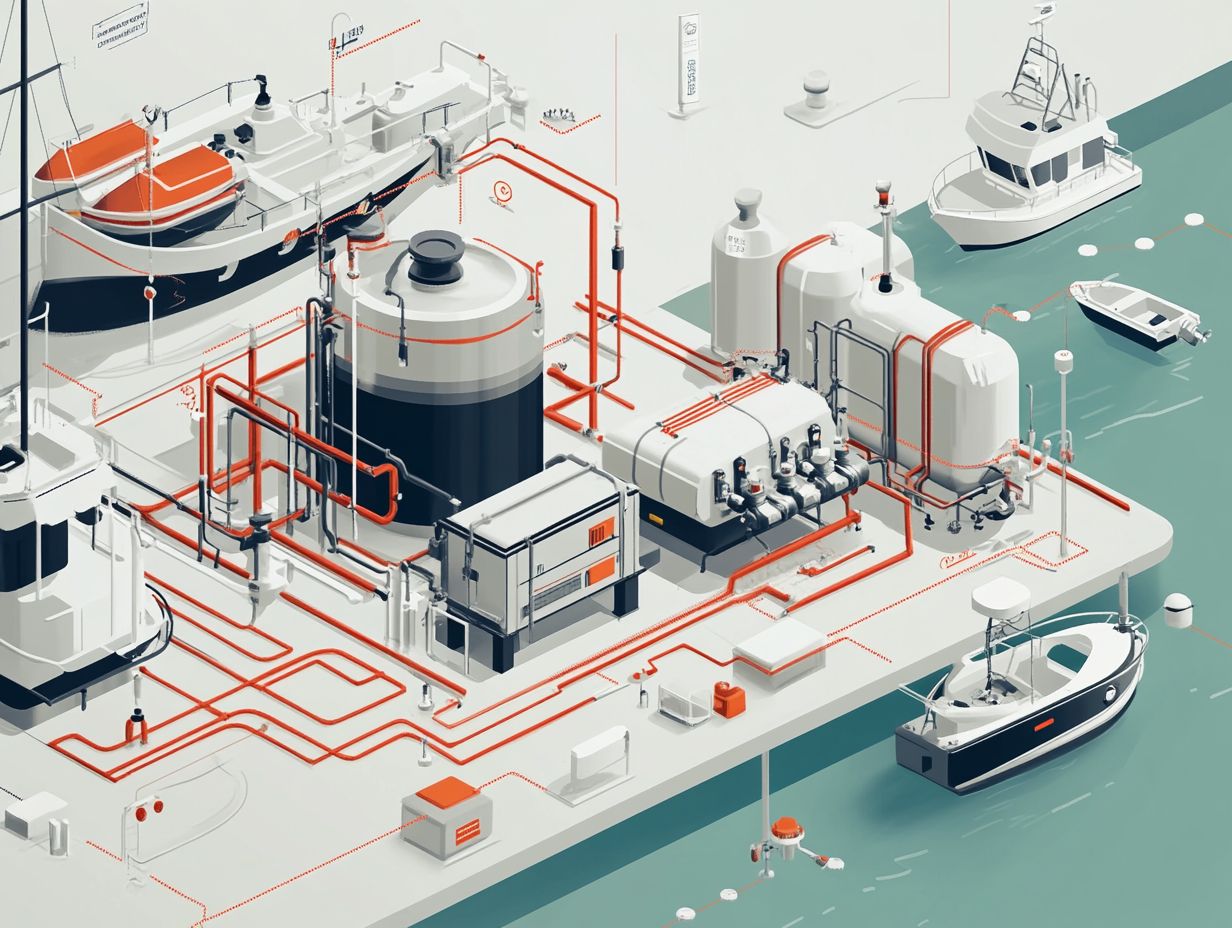
An electric fuel system functions by utilizing advanced battery technology to power the yacht, providing a clean and eco-friendly alternative to traditional fuel sources.
This system relies on sophisticated components that work in harmony to not only enhance performance but also reduce environmental impact significantly.
- The batteries play a crucial role, storing energy efficiently while delivering it to the electric motors.
- Charging methods, including solar and regenerative techniques, contribute to sustainability by harnessing renewable energy.
- Users can enjoy longer voyages without the noise or fumes associated with conventional engines.
In addition, the integration of such technology promises an array of benefits, making the overall experience more efficient and environmentally friendly while ensuring a smoother ride at sea.
Ultimately, this evolution in nautical power systems highlights the value of shifting towards greener solutions.
What are the Benefits and Drawbacks of Each Type of Yacht Fuel System?
Each type of yacht fuel system presents a unique set of benefits and drawbacks that can affect performance, maintenance, and overall operational costs, making it essential for yacht owners to assess these factors when selecting the best engine fuel option for their needs.
Diesel Fuel System
The diesel fuel system is widely praised for its fuel efficiency and reliability, utilizing marine gas oil and red diesel effectively, but it may present drawbacks such as higher initial costs and potential pollution concerns.
Many operators find that the benefits of a diesel fuel system far outweigh its disadvantages. For instance, users often experience:
- Lower Operational Costs: Diesel engines tend to consume less fuel compared to gasoline, making them a cost-effective solution over time.
- Long Run Times: With their robust engineering, diesel engines have longer run times and can endure demanding conditions, leading to fewer interruptions.
- Longevity: Diesel engines typically last longer than their gasoline counterparts, offering significant savings in maintenance and replacement costs.
It’s essential to acknowledge the environmental concerns associated with diesel use, particularly regarding emissions and the impact on air quality, prompting a shift towards greener alternatives in some industries.
Gasoline Fuel System
The gasoline fuel system offers benefits like easier availability and a simpler fuel storage process, but may face drawbacks including lower fuel efficiency and higher emissions compared to diesel fuel systems.
Gasoline is often more accessible than alternatives, making refueling a straightforward task for many vehicle owners. This increased availability contributes to a more convenient overall driving experience. Gasoline-powered vehicles tend to be less complex in terms of maintenance, which is a significant advantage for everyday users.
- Despite these benefits, gasoline engines typically do not maximize fuel efficiency.
- This inefficiency leads to increased visits to fuel stations, impacting both time and money.
- The environmental implications of gasoline consumption present challenges, as pollutants contribute to air quality issues.
When considering both sides, the drawbacks of gasoline systems, particularly regarding emissions and fuel economy, prompt important discussions about transitioning to greener alternatives.
Hybrid Fuel System
The hybrid fuel system provides a blend of fuel efficiency and eco-friendliness, but it may come with higher upfront costs and complex maintenance requirements.
In recent years, these systems have gained popularity due to their significant reduction in emissions and improved energy efficiency, making them a compelling choice for environmentally conscious consumers. The use of hybrid systems is often discussed in forums such as Magazines Direct and by experts like Callum Smedley.
Many users appreciate how hybrid systems can harness both electric and traditional fuel sources, allowing for optimized performance based on driving conditions. The ongoing advancements in technology are further enhancing their accessibility and reliability.
Potential buyers should also consider the complexities involved with regular upkeep and potential repair costs, which may be higher compared to standard vehicles.
- While they offer lower fuel costs, these savings can be offset by the need for specialized maintenance.
- Battery replacement can be costly, leading to concerns over long-term ownership expenses.
Electric Fuel System

An electric fuel system is lauded for its eco-friendly attributes and low operational costs, yet it may face drawbacks such as limited range and reliance on battery technology.
These systems play a pivotal role in reducing greenhouse gas emissions, contributing significantly to cleaner air quality and a healthier planet. They often offer reduced maintenance expenses compared to conventional fuel systems. It’s essential to weigh these benefits against certain limitations. For example, the current technology can restrict long-distance travel due to the limited range that some vehicles can achieve on a single charge. Additionally, the reliance on battery technology introduces new challenges, especially when compared to traditional hydrocarbon-based fuels like crude oil.
- Environmental Benefits:
- Lower emissions contribute to improved air quality.
- Reduced dependence on fossil fuels helps combat climate change.
- Potential for renewable energy use in charging stations.
Cost efficiencies are also crucial, as electricity generally costs less than gasoline or diesel. Yet, advancements in battery technology are necessary to fully unlock the potential of electric fuel systems, making ongoing research and development imperative to enhance their effectiveness.
How to Choose the Right Yacht Fuel System for Your Needs?
Follow us on social media for more updates: Facebook, Twitter, and Instagram.
Choosing the right yacht fuel system involves a careful evaluation of factors including the type of fuel, operational needs, environmental considerations, and overall cost, whether it be diesel, gasoline, hybrid, or electric.
When yacht owners embark on this decision-making journey, it’s essential to weigh multiple aspects that can significantly impact both the yacht’s performance and the owner’s long-term satisfaction. The fuel system choice is not just about immediate availability but also concerns future maintenance and operating costs.
Below are key considerations to guide the decision process:
- Type of Fuel: Assess the specific requirements for diesel, gasoline, hybrid, or electric options.
- Environmental Impact: Understanding fuel emissions and sustainability options can influence the eco-friendliness of the yacht.
- Cost Analysis: Analyzing both initial installation costs and ongoing fuel expenses can provide a clearer financial picture.
- Maintenance Necessities: Different fuel systems have varying maintenance needs, impacting long-term use and reliability. Regular inspection of bilges, important for any fuel system, is crucial.
Taking the time to evaluate these elements will ultimately assist yacht owners in making a well-informed choice, ensuring that their vessel aligns with their values and operational expectations.
What Are the Maintenance and Safety Considerations for Yacht Fuel Systems?
Maintenance and safety are crucial for ensuring the longevity and effective operation of yacht fuel systems, including regular checks of fuel filters, the integrity of pipework, and the use of fire-resistant hoses to prevent accidents.
Regular Maintenance
Regular maintenance is essential for yacht fuel systems, involving scheduled inspections of fuel filters and other components to ensure clean fuel delivery and optimal engine performance.
Along with inspections, it is crucial to routinely check for signs of contamination, which can stem from water intrusion or microbial growth. This cleaning process not only helps maintain efficiency but also protects the longevity of the engine, reducing the risk of costly repairs down the line. Specifically, cleanliness is paramount; any buildup in the system can lead to blockages and degraded fuel quality.
- Inspect and replace fuel filters every 200 hours of operation.
- Check fuel lines for leaks or damage quarterly.
- Conduct biannual testing for water contamination in fuel.
By adhering to these practices, boat owners can significantly mitigate the negative consequences of neglect, ensuring that their yacht performs at its best, and preventing unexpected downtime.
Fuel Quality and Storage: Insights from Yachting Monthly
Ensuring fuel quality and proper storage is paramount for yacht fuel systems, as poor quality or contaminated fuel can lead to engine failures and operational issues.
To safeguard the performance and longevity of a yacht’s engine, maintaining fuel quality through regular testing is essential. This involves conducting periodic analyses to detect water and microbial contamination, which could significantly impair engine efficiency. Publications like Diesels Afloat emphasize the importance of these practices.
- Utilize filtration systems that remove particulates before the fuel enters the tank.
- Store fuel in well-ventilated areas, away from direct sunlight to prevent degradation.
- Employ additives that stabilize fuel during periods of inactivity, which is often the case in yachting seasons.
These precautions not only ensure the yacht remains operational but enhance sailing safety, making it vital for operators to prioritize the cleanliness of their fuel supply.
Safety Precautions
Implementing safety precautions is critical for yacht fuel systems to prevent accidents, including the use of fire-resistant hoses and adhering to environmental regulations regarding fuel storage and usage.
In particular, yacht owners and operators should routinely inspect their systems for any signs of wear and tear, ensuring that all components are in optimal condition. Regular maintenance checks play a significant role in identifying potential hazards before they escalate into serious concerns.
- Utilizing proper ventilation systems is essential to disperse flammable vapors effectively.
- Installing fire suppression equipment can further enhance safety measures.
- Ensuring that crew members are trained in emergency response procedures is equally important.
By prioritizing these practices, one can significantly mitigate the risks associated with fueling operations. Utilizing standards such as ISO 7840, BS EN 853, and BS EN 856 helps ensure safety and efficiency. Ultimately, the goal is not only to protect the vessel but also to uphold environmental integrity, preventing fuel leaks that could have devastating impacts on marine ecosystems.
Frequently Asked Questions
For more insights, follow us on Facebook, Twitter, and Instagram. Visit Magazines Direct for the latest issues of boating publications.
What are the different types of yacht fuel systems?
The different types of yacht fuel systems include diesel, gasoline, electric, hybrid, LNG, and hydrogen. Each system has its own advantages and disadvantages depending on the type of yacht and its intended use.
What is a diesel yacht fuel system? Insights from Callum Smedley
A diesel yacht fuel system uses diesel fuel to power the engine and generate electricity. Diesel fuel is less flammable than gasoline and is more efficient for long distance cruising, making it a popular choice for larger yachts.
How does a gasoline yacht fuel system work?
A gasoline yacht fuel system uses gasoline as its primary fuel source. Gasoline is highly flammable and requires proper ventilation and safety precautions. It is commonly used in smaller, high-speed yachts for recreational use.
What is an electric yacht fuel system?
An electric yacht fuel system uses electricity to power the engine and all onboard systems. This system is environmentally friendly and produces zero emissions. However, it requires frequent charging and may not be suitable for long distance cruising.
What is a hybrid yacht fuel system?
A hybrid yacht fuel system combines the use of diesel or gasoline with an electric motor. This system offers the benefits of both fuel types, such as efficiency and reduced emissions, making it a popular choice for modern yachts.
What are the advantages of using LNG or hydrogen as yacht fuel?
LNG (liquefied natural gas) and hydrogen are considered clean fuels and produce very low emissions. They are also more cost-effective than traditional fuels in the long run. However, they may require specialized fueling infrastructure and are not yet widely available for yacht use.